_Line.svg)
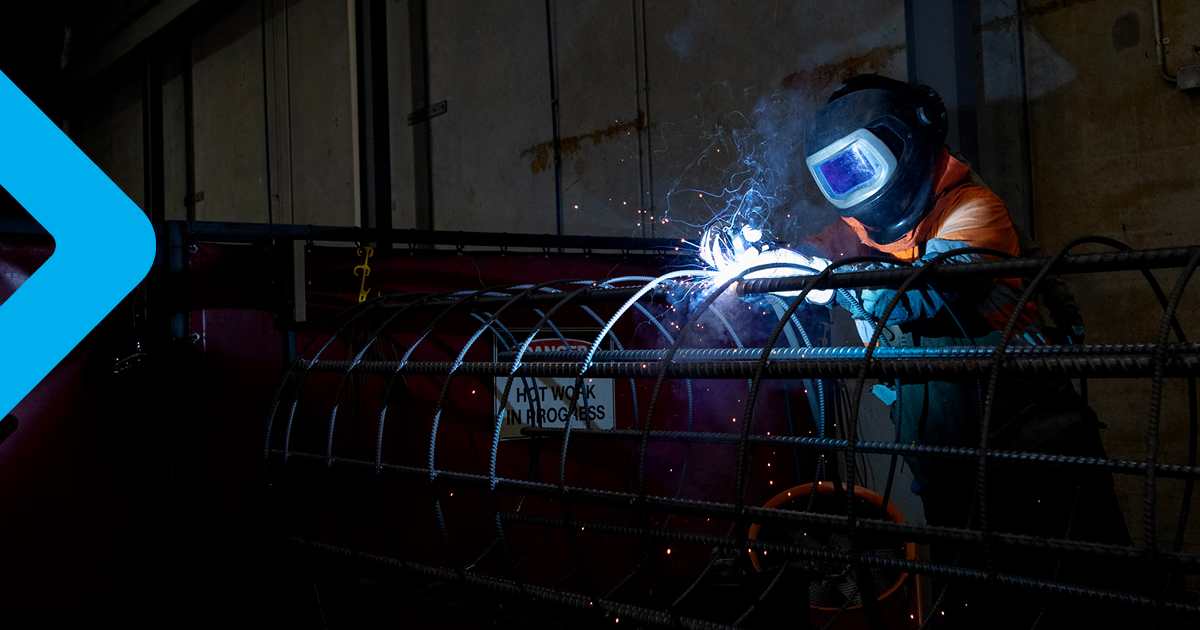
In industrial procurement, picking a fabrication partner carries far more risk than it appears on paper. Most contractors look remarkably similar during the bidding phase. They present comparable capability statements, neat facilities, and overlapping project histories. However, the real differences only surface during delivery, when schedule pressure, logistics, and strict site requirements test their actual capacity.
Choosing the wrong partner rarely causes immediate failure. Instead, it bleeds a project slowly through workshop delays, cost overruns, unexpected site rework, and coordination bottlenecks. In Australian industrial environments, these impacts are magnified by remote locations and demanding compliance frameworks.
To protect your project capital, procurement teams must look past marketing language. Evaluating tenders against these six practical delivery criteria will help identify true competency before contract award.
1. Scope-Specific Experience (Not Just General Capability)
A contractor's total years in business is a poor metric for delivery success. What matters is proven performance delivering your specific scope under equivalent engineering constraints. A workshop with decades of experience in standard structural steel may still falter when tasked with heavy platework, pressure piping, or complex modular assemblies.
Look for a documented track record of repeat engagement with major asset owners. This remains the most reliable indicator of consistent performance and strict adherence to data book requirements.
When evaluating a track record, focus on three specific areas:
- Scope Equivalence: Past projects that match the physical dimensions, material grades, and tolerances of your upcoming contract.
- Environmental Parity: Experience building for identical operating conditions, such as highly corrosive marine environments or high-vibration processing facilities.
- Specification Familiarity: Deep understanding of strict asset-owner engineering standards, which are often far more stringent than basic commercial codes.
2. Certifications and Technical Compliance
Certifications are often treated as badges on a brochure, but they represent whether a contractor operates a transparent, independently audited management system.
Your baseline evaluation should confirm three core standards:
- ISO 9001 (Quality): Confirms fabrication processes are controlled from material receipt and traceability through to final inspection.
- ISO 45001 (Safety): Demonstrates that workplace OHS risks are systematically managed to prevent incidents that disrupt production lines.
- ISO 14001 (Environment): Ensures systematic management of waste streams, chemicals, and workshop emissions.
For heavy industrial work, standard management certificates are simply the entry ticket. True technical capability is defined by adherence to specific welding standards. Ensure compliance with AS/NZS 1554 for structural steel and AS 3992 / AS 4037 for pressure equipment and piping. The contractor must also provide verified qualifications for Welding Supervisors and trade personnel.
3. Workshop Infrastructure and True Throughput
A workshop's physical infrastructure dictates what it can safely fabricate, assemble, and test in-house. If a facility has physical limitations, it forces the contractor to split large components for transport, which heavily increases installation costs and field joins on-site.
Evaluate the facility against these physical limiting factors:
- Crane Capacity & Hook Height: This dictates the maximum scale of modular assemblies that can be safely manoeuvred. Low hook height prevents vertical pre-assembly, which can hide fitment flaws.
- Laydown & Assembly Space: Adequate floor space allows for trial assemblies of adjacent parts. Catching a dimensional error in the workshop is a minor fix; catching it on-site is a major commercial issue.
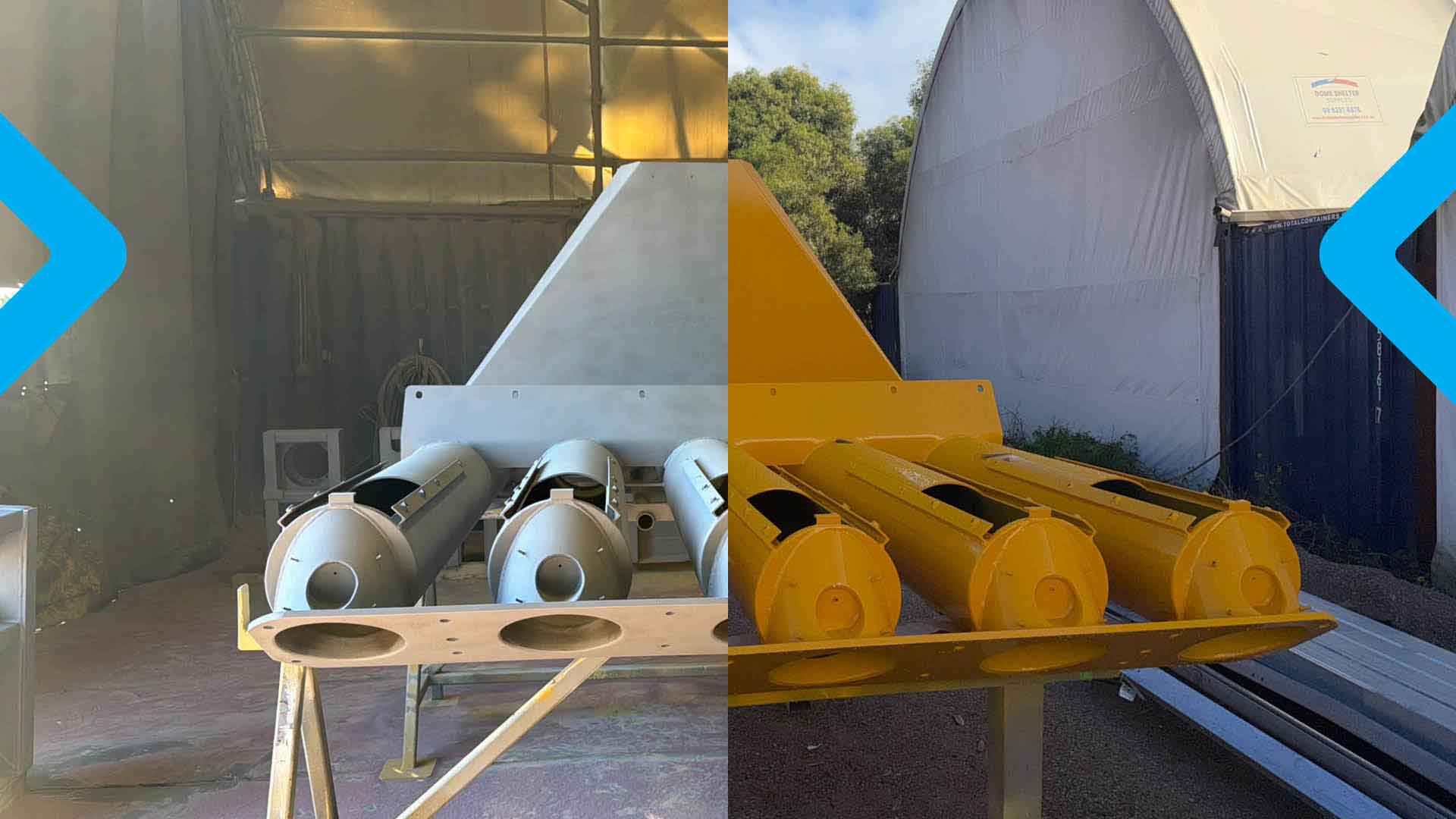
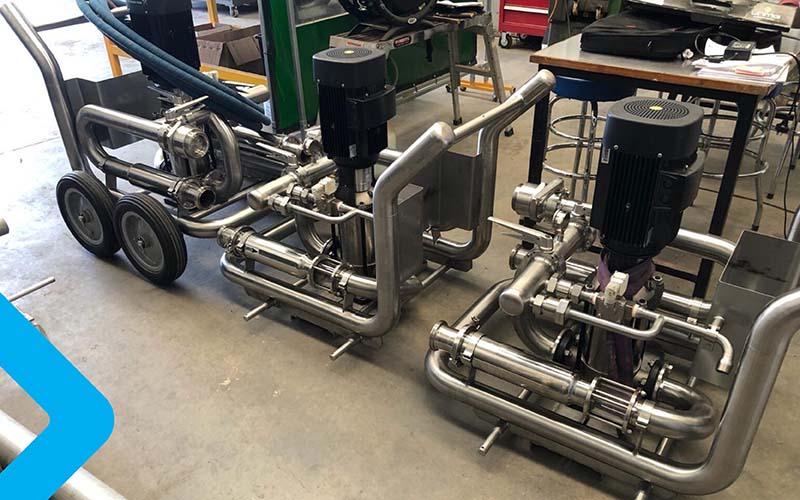
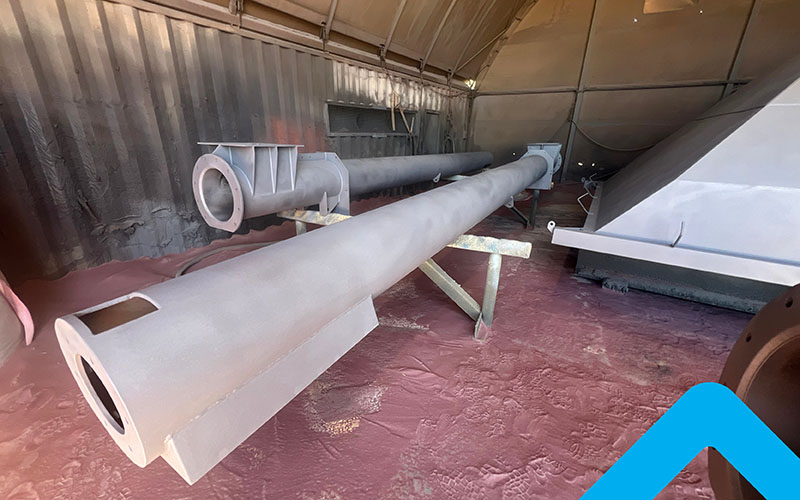
- Process Integration: Facilities featuring in-house CNC cutting, automatic welding, and blasting/coating booths offer much tighter quality control and shorter lead times.
Beyond physical space, assess the workshop's current throughput. A fabricator may have the ideal machinery, but if their pipeline is fully booked, resource dilution will create major scheduling bottlenecks. Furthermore, look closely at subcontractor dependencies. Heavy reliance on third-party providers for non-destructive testing (NDT) or specialised coatings introduces significant schedule risk and reduces visibility over quality workflows.
4. Safety Maturity Beyond the Statistics
Safety performance must be measured using audited data rather than corporate assurances. While low injury rates are critical, procurement managers need to look at both lagging and leading indicators to gauge true systemic maturity.
- Lagging Indicators: Review historical LTIFR and TRIFR trends over a three-to-five-year period to check for operational stability.
- Leading Indicators: Evaluate the maturity of their near-miss reporting loops, toolbox engagement rates, and how actively lessons learnt are engineered into standard operating procedures.
A mature contractor will transparently share their incident investigation outcomes and demonstrate how they actively prevent workshop incidents from impacting your project timeline.
5. Location, Logistics, and Delivery Risk
The geographic distance between fabrication facilities and project sites represents a primary risk to schedule certainty. If a contractor cannot articulate a clear logistics and transport strategy early in the procurement phase, it indicates underlying delivery risk.
In Western Australia, proximity to specialised transport infrastructure heavily influences project economics. Facilities located within key industrial precincts, such as Henderson, provide major strategic advantages:
- High-Wide Load Corridor Access: Allows for the transport of massive, overdimensional modules as single, fully assembled pieces, bypassing urban restrictions.
- Port Proximity: Facilitates direct sea freight options for coastal or regional delivery.
- Reduced Escort Friction: Minimises the need for complex, multi-jurisdictional pilot and police escorts through metropolitan areas.
6. References and Quality Track Record
References should be chosen for their strict relevance to your scope rather than total volume. When speaking with a contractor's past clients, use generalised or structured questions targeted at real-world performance:
- Did the contractor maintain the original baseline schedule, or did they consume contingency time early?
- How transparently were variations identified, costed, and negotiated?
- Did the final Manufacturer's Data Report (MDR) arrive alongside physical delivery, or did documentation delays hold up final mechanical completion?
Bluechip Industrial Services
Bluechip Industrial Services supports complex industrial projects across structural steel, platework, piping, and modular assemblies. Our capability is built on in-house delivery, controlled systems, and long-term client relationships across multiple sectors.
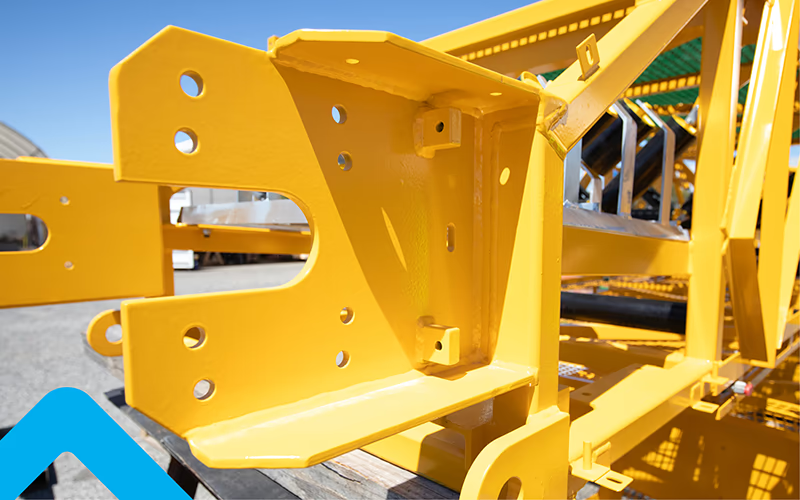
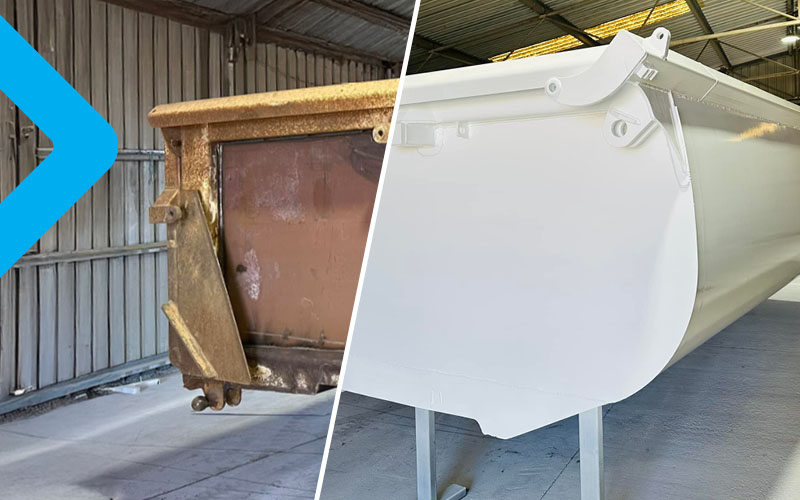
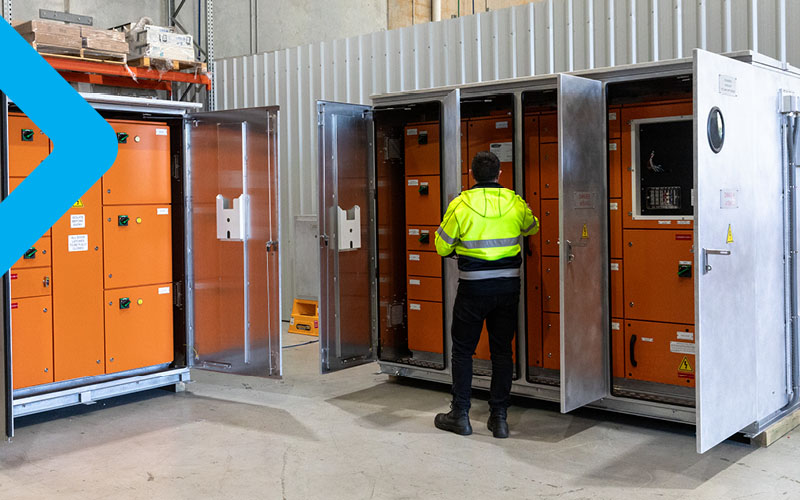
Operating from a purpose-built facility in Henderson, Western Australia, we are strategically positioned to support heavy industrial fabrication and efficient logistics. Our workshop features integrated fabrication, surface treatment, and assembly processes, which drastically minimises interface risk and ensures tight workflow control.
This integrated approach keeps your project within a single, coordinated delivery environment. The result is superior quality assurance, predictable scheduling, and minimal site rework. We align our fabrication output directly with project logistics so your components arrive on-site ready for immediate installation.
Secure Your Delivery Timeline Early
Waiting until contract award to uncover a fabricator's structural constraints, QA bottlenecks, or transport limitations inevitably introduces site delays and variation risks.
If you are currently planning an infrastructure, energy, or utility project, involving an experienced partner early changes your risk profile. Integrating fabrication planning alongside your design and procurement timelines allows you to secure workshop capacity, optimise constructability, and build absolute schedule certainty from day one.
Contact the team at Bluechip Industrial Services today to review your upcoming project scope and secure a low-risk path to mechanical completion.